Un viaje desde Oriente al Occidente: el "Pileus", del gorro de los Dióscuros al símbolo de la Libertad
Palabras clave:
Resumen
Esta comunicación tiene sus orígenes en las conclusiones fundamentales a las cuales ha llegado Adriano Savio en un artículo titulado «El gorro frigio sobre la moneda; un viaje de Oriente a Occidente», publicado en la Revista italiana de Numismática del 2002. A saber:
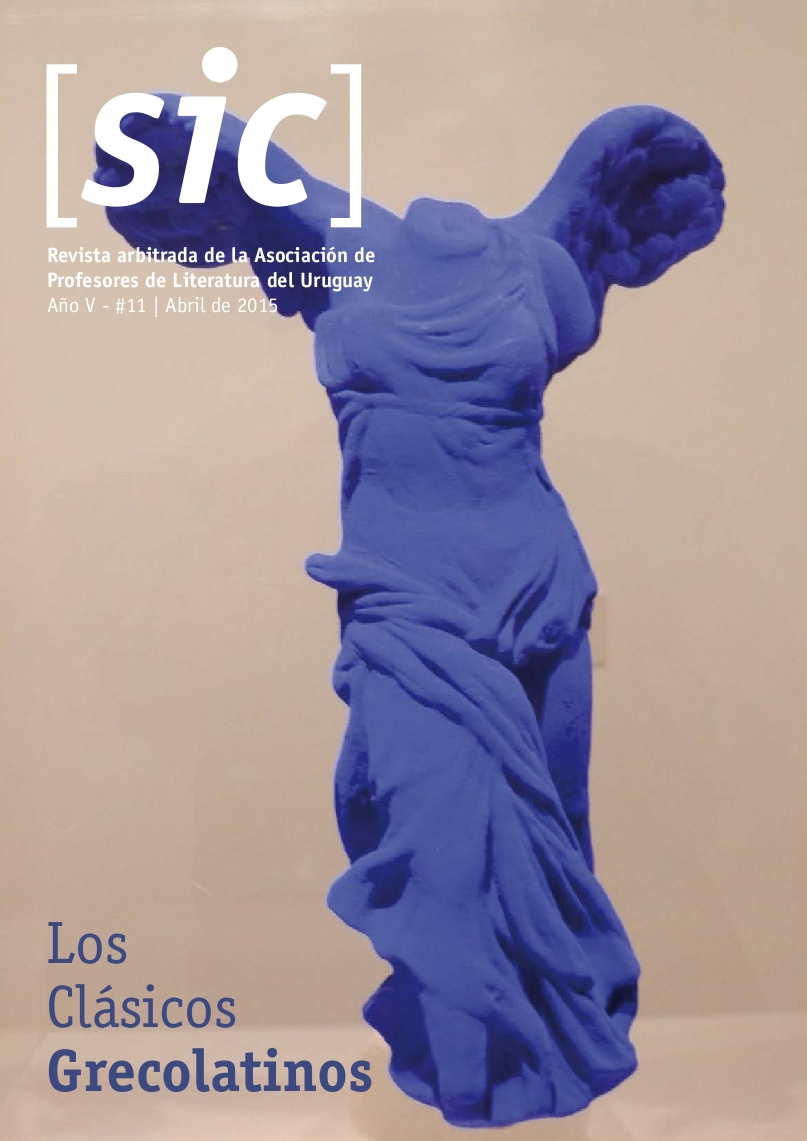
a) Es muy probable que los Dióscuros hayan heredado el uso del gorro de los Cabiros, poderosísimas divinidades orientales que lo usaban ya desde la época arcaica, tal como aparece en las monedas de Samotracia,1 sede de un importante Cabirion, en cuya área arqueológica fue encontrada la celebérrima Nikè, hoy en el Louvre.
b) La asimilación entre Cabiros y Dióscuros se habría concretado entre los siglos iii y ii a. C. en la isla de Samotracia, difundiéndose en todo el mundo griego con la «diáspora de Samotracia» verificada entre el 260 y el 100 a. C.;
c) Algunos indicios permiten conjeturar que el pilos haya sido utilizado en las ceremonias de iniciación a los misterios cabíricos, mediante imposición o deposición sobre o desde la cabeza de los novicios, de la misma manera que habría sucedido en el Imperio Tardío durante la iniciación a los misterios mitríacos cuando el pater le quitaba al neófito el pileus de la cabeza (Clair, 2001: 17).
d) Algo similar, en plano de conjetura, de lo que más tarde se verificaría en las ceremonias de manumisión en Roma.
La palabra Pileus o pileum significaba gorro de lana o fieltro, pieles de animales o cuero rasurado. A lo largo del tiempo
presentó diversos diseños. En Roma también fueron insignias de algunos colegios sacerdotales.
Descargas